A celestial smorgasbord today: Planets, Perseids and an eclipse. Can you spot them in Tennessee?
A rare celestial triple-header today, but the Perseid meteor shower will be the main event for Middle Tennessee.
NASHVILLE, Tenn. (WSMV) - Wednesday is delivering a pretty impressive celestial triple-header.
August 12 brings three major astronomical events: a six-planet “parade,” the peak of the Perseid meteor shower and a total solar eclipse. Middle Tennessee won’t get a front-row seat to all of them... but we will get two out of the three!
Six planets gather in the morning sky
The first event actually happened before sunrise this morning. Don’t worry if you missed it; there’s still another chance to catch much of the lineup Thursday morning.
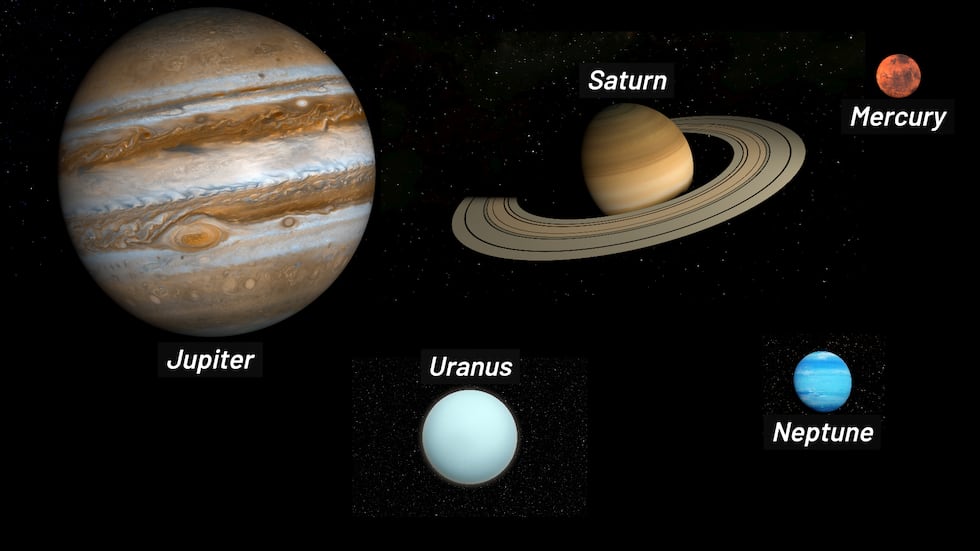
Jupiter, Mercury, Mars, Uranus, Saturn and Neptune are gathered across a broad stretch of the pre-dawn sky. Saturn and Neptune rise first, followed by Uranus and Mars, with Mercury and Jupiter appearing closer to the eastern horizon as sunrise approaches.
They will appear along the same general path across the sky. Uranus and Neptune are also too faint to easily see without a little optical help, so for the full experience you’ll need a telescope.
The Perseids peak tonight
The Perseid meteor shower peaks tonight into early Thursday morning. The peak coincides with a new moon, meaning virtually no moonlight will wash out the fainter meteors.
Under very dark skies, the Perseids can produce dozens of meteors per hour and occasionally approach 100 per hour under ideal conditions. The shower is also known for producing particularly bright meteors and fireballs.
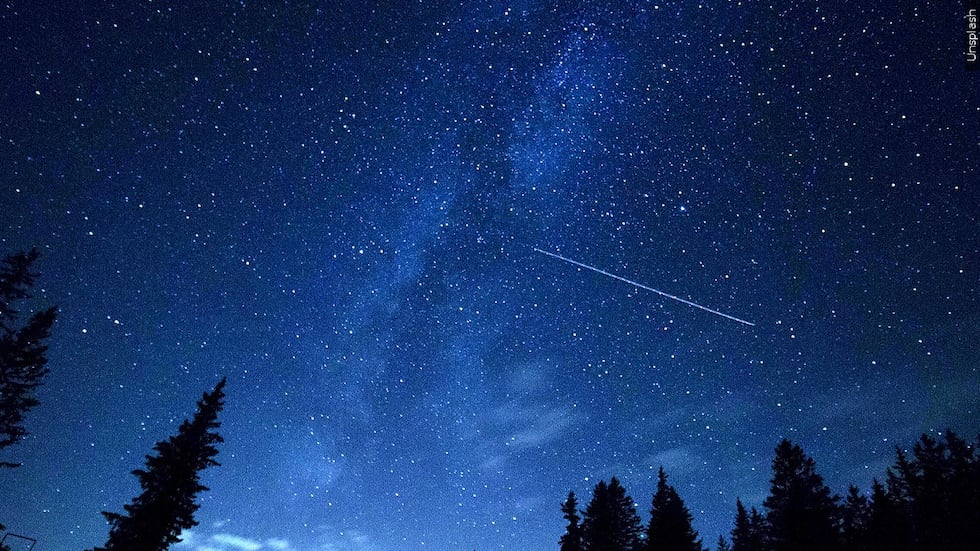
You don’t need binoculars or a telescope. In fact, you’re better off without them. Find the darkest location you can, give your eyes about 20 to 30 minutes to adjust and take in as much of the sky as possible. Viewing generally improves after midnight and continues through the hours before sunrise Thursday.
A total solar eclipse
To top it off, there’s a total solar eclipse today thanks to the new moon responsible for our beautifully dark Perseid skies. The eclipse is in Europe, so it’s not something we’ll experience in the US. But it’s the first eclipse they’ve had in nearly 100 years, so it’s pretty exciting for our neighbors across the pond.