‘Pilot’s failure’ caused deadly Nashville plane crash, NTSB says
The crash killed a family of five.

NASHVILLE, Tenn. (WSMV) - A day after the one year anniversary of a plane crash that killed two adults and three children in Nashville, the National Transportation Safety Board said they have completed their investigation into what caused the crash.
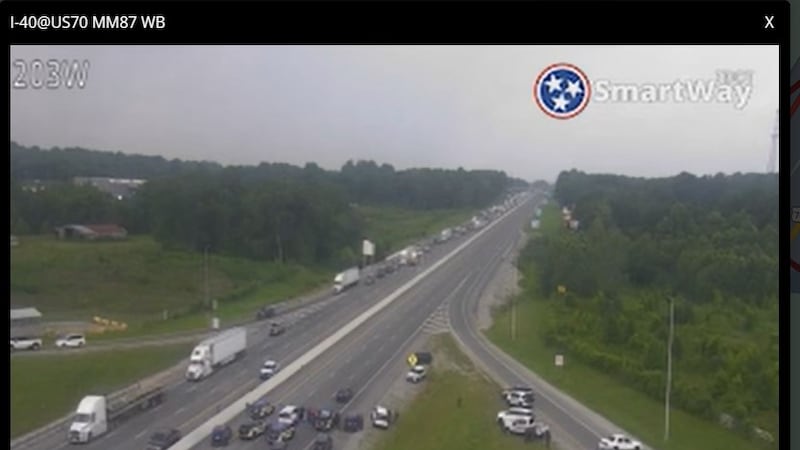
A plane carrying pilot Victor Dotsenko, 43, his wife Rimma Dotsenko, 39, and their three children, David, 12, Adam, 10, and Emma, 7, crashed on the into the shoulder area along I-40 near Charlotte Pike, right behind the Costco just after 7:40 p.m. on March 4, 2024.
Investigators say the plane lost engine power as it was preparing to land at John Tune Airport. Before the crash, the pilot told air traffic control that his engine had shut down as he overshot the airport.
Previous Coverage
In their final report, the NTSB said the probable cause of the accident was the “pilot’s failure to ensure the proper placement of the fuel selector during the approach and landing, which resulted in fuel starvation and a subsequent total loss of engine power.”
During the investigation, examinations of the plane’s frame and engine showed now evidence of mechanical error.
However, while examining the fuel system, investigators discovered that the fuel selector was in between the off and left main tank positions. The NTSB said this setting would “starve the engine of fuel.”
This error was likely due to the pilot changing the fuel selector handle while preparing to land as it is the first step in the manufacturer’s approach and landing checklist.
“Given the lack of other mechanical anomalies found during the examination, it is likely that the pilot moved the fuel selector at some point during the overflight and approach, but failed to fully seat the selector in position, resulting in a restricted fuel flow that was less than that needed to sustain engine power,” the NTSB said in their report. “Following the loss of engine power, the remaining altitude was insufficient to provide gliding distance to the runway.”
Read the full final report here:
Copyright 2025 WSMV. All rights reserved.